
Author: Ben Zion
-
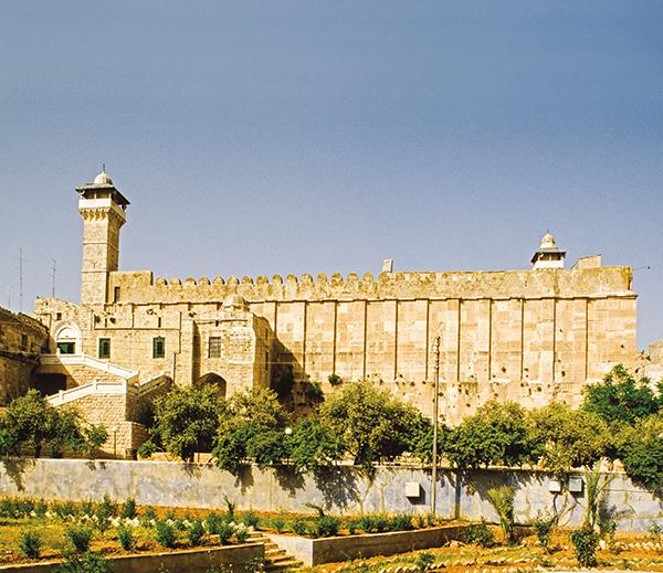
Hevron – lecture 2
The different names of Hevron. Who was Hevron? Who was Mamreh? Who was the mysterious giant named “Four”? Listen to Israel’s ambassador to the UN proving our right to the land, from the Bible.
-
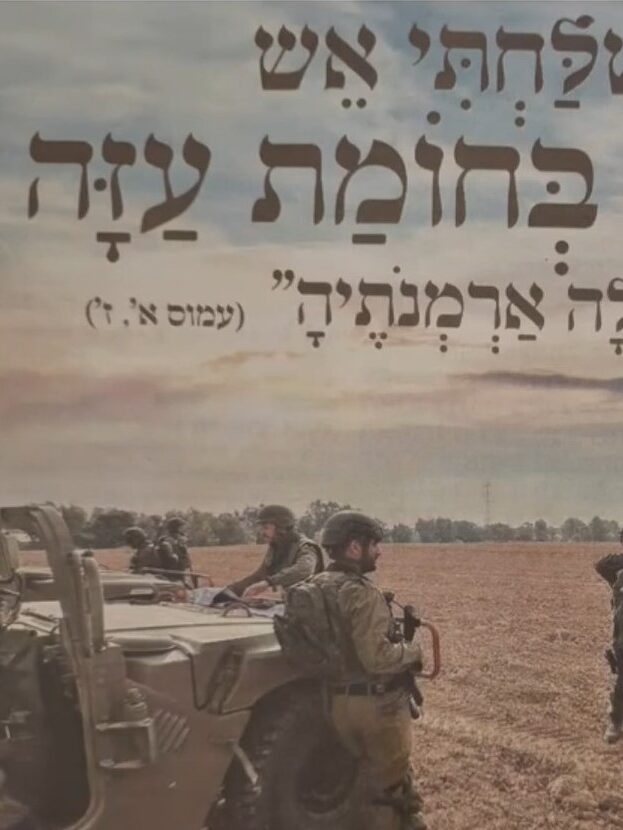
Azza – lecture 22
Do the events of the war today (December 2024), affect Azza being part of the Land of Israel? We will see a Halachic opinion that Azza is “Chutz Laaretz” (not part of Israel) in every aspect. We will see the opposite opinion that Azza is considered totally a part of the Land of Israel. Also…
-
Azza – lecture 21
Is Azza part of Eretz Israel? Why is that even a question? What did Menachem Begin ask Rav Goren about Azza? and what was his answer?
-
Azza – lecture 20
Shimshon’s suicidal death- what did he achieve? Why did Hashem agree to his suicide, and restore his strength? What can we learn from Shimshon about the purpose of the war against Azza, today (2024) ? The “Samson Option” – how does this influence our policy vis-a-vis Iran and nuclear weapons?
-
Azza – lecture 19
Why did Shmuel the Prophet oppose the appointment of a king? What was the main problem in all the stories at the end of the Book of Judges? What is the true meaning of the recurring verse: “In those days there was no king in Israel”? And what is the important message from all of…
-
Azza – lecture 18
“Beyahad Nenatzeach” (ביחד ננצח) Is unity sufficient for victory? The Prophet Shmuel’s problem with the demand for a King: a problem of timing. Why was the timing wrong? Why do we always want things to happen – NOW!…and why does that prevent us from going through a real process of “Teshuva” (repentance)?
-
Azza – lecture 17
What is keeping us, throughout history, from controlling Azza? Is it the lack of unity? Surprisingly, in the story of “Pilegesh Be-Givah”, the people of Israel actually were united! The Bible’s relevant answer is related to the “day after” the war and drawing conclusions from the difficult events. An interesting comparison between “Pilgash Be-Givah”, and…
-
Azza – lecture 16
Exploring the concept of “Unity” in the Tanach. Where does the term “כאיש אחד” (as one person) appear? surprisingly, it appears a few times in the story of “Pilegesh Be-Givah”! But where else? And how is this term connected to the term opening the book of Shmuel – “ויהי איש אחד”? We will try to…
-
Azza – lecture 15
What does Devorah the prophetess have to say about Torah Scholars who don’t join the war effort? and about some tribes which do not take part? This fits a general theme in the book of Judges: the tribes think only about themselves and not about national needs. We will see how this theme is expressed…
-
Azza – lecture 14
The phrase “In those days there was no king in Israel” implies that the central problem was the lack of a king. Is that true? We will review the three stories at the end of the Book of Judges: the story of Shimshon, the statue of Micah, and the story of the concubine in “Givah”.…