-
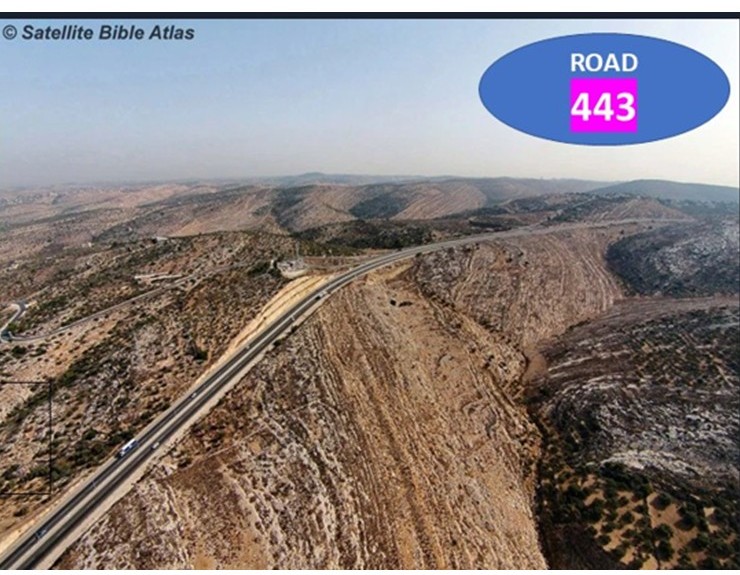
Road 443 – lecture 7
Beit Horon and Yom Ha`Atzmaut Four times a Jewish state was founded in the Land of Israel and the biblical road to Jerusalem played an important role in every one. We`ll see the interesting parallels between the First Israeli Kingdom in the days of Saul, and the Second Kingdom in the days of Judah Maccabee. Both describe a great miracle of few against many, and a great salvation in the same place – on the ascent to Beit Horon on the biblical road to Jerusalem. The same exact elements return again in the Fourth Kingdom of Israel – in our…
-
Road 443 – lecture 6
Pesach and Yom Hashoah Givon is one of the first places the Israelites arrived at after the exodus from Egypt and it also symbolizes the final destruction – because it was there that Gedaliah was murdered before the exile. This connection between Passover and the Holocaust, which occurs every year in the Israeli calendar, raises the question: Why does the world always “stand against us to destroy us”, as the Haggadah says? We will analyze “Vehe Sheamda” (והיא שעמדה) from the Haggadah, and try to understand both the historical hatred and the divine promise that always accompany the Jewish people.
-
Road 443 – lecture 3
Givon and the Fast of Esther An important battle took place near Givon between Judah Maccabee and Nikanor. This battle took place on the 13th of Adar and was designated for generations as a day of joy – “Nikanor Day”. So how did they establish a day of joy on a fast day? In many periods, the Fast of Esther was moved to different day, because of Nikanor Day! But in our days, we celebrate the re-establishment of the road to Jerusalem on Independence Day, so we returned to the custom of the Geonim: fasting on the 13th of Adar
-
Bet Lechem – lecture 8
Bet Lechem and Tu B`Shvat “A land of wheat and barley and vines…a land of olives and honey (dates)”. In the Laws of Blessings there is a rule about this verse: whatever is closer to the word “land” comes first in the order of blessings. Therefore, olives (closer to the word land) are more important than grapes. We can also learn an important idea from this regarding Bet Lechem: sometimes being close to something important is more important than the thing itself. Bet Lechem’s importance is precisely because it is on the way. As we will expand on later…
-
Megilat Ester
Reading of Megilat Ester, on PURIM night, 2026
-
Bet Lechem – lecture 3
10th of Tevet and Bethlehem The Babylonian exile, which began on the 10th of Tevet, ended with Nebuzaradan deporting the people of Israel to Babylon. This is the same Nebuzaradan who is mentioned in Rashi about Rachel being buried on the road near Bethlehem – so she can pray for her sons, going to exile. But the road from Jerusalem north to Babylon does not pass through Bet Lechem! Therefore – there is an opinion that Bet Lechem is a city in Binyamin! not in Judah! And indeed, archaeological evidence has been found of an ancient tomb near Anathoth in…
-
Derech Hayam – lecture 25
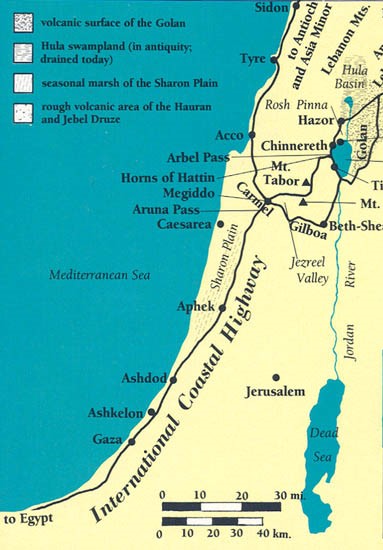
Derech Hayam and Hanukka Following the theme of the Derech Hayam – the disengagement from the Egyptian power, in this lecture we will examine the alliance that Judah Maccabee made with Rome as well as the alliance that the sons of Alexander Yanai made with Rome, alliances that probably led to the destruction of the Hasmonean kingdom. The alliance with foreign powers and, as always – brotherly hatred, lead to the end of Jewish independence. And with that – we have reached the end of the (sea) road. Derech Hayam.
-
Derech Hayam – lecture 24
The central figure associated with the sea route during the Hasmonean period is – Yohanan Hurcanus. He reconquers Gezer and Afek, understanding their importance as a connection with the wider world and especially… with Egypt. So the connection to Egypt returns! We will examine the figure of Yohanan Hurcanus – is he Yohanan the High Priest? Is he a positive or negative figure? How is he related to the expansion of Hellenistic culture? And how is he related to the halachic question – if it is permissible to say “bye” instead of “shalom”?
-
Derech Hayam – lecture 23
Gezer and Hanukkah. Approaching Hanukkah, this lecture will deal with Derech Hayam after the days of the Tanach – during the Hasmonean period. Contrary to popular belief, after the Maccabees’ victory on Hanukkah, there were no days of peace. One of the most famous wars took place on Derech Hayam – at Gezer. From the Battle of Gezer, we can get an insight about peace agreements with great political powers, then and today…and about the famous words of Shimon the Maccabee: “We did not take a foreign land…but the inheritance of our fathers”!
-
Derech Hayam – lecture 18
Derech Hayam and Sukkot This lecture takes place immediately after Sukkot. We will prove that the Israelites did not live in structures called Sukkot, but rather in a place called Sukkot. A place, which is the starting point of Derech Hayam! A place that symbolizes the first time they were truly freed from Egyptian bondage. Following this, we will examine Egypt’s control of Derech Hayam throughout history, through the Amarna Letters, which help us to understand exactly the situation in the land and answer many of the questions we have asked about Gezer and Derech Hayam in General
-
Derech Hayam – lecture 15
The next site we will learn about on “Derech Hayam” is: “Gezer”. Is “Gezer” connected to carrots? What does the word “Gezer” mean in the Torah? We`ll see several places where the word “Gezer” appears in the Torah and see the special connection between “Gezer” and Rosh Hashanah! On Rosh Hashanah we pray that God will seal our judgment (in Hebrew: “Gezar din”), the reason given for Shofar is “the decree of the torah” (in Hebrew: “Gezerat hakatuv”), and also – on Rosh Hashanah there is a custom to eat… Carrots! Is there a connection??
-
Derech Hayam – lecture 14
Tisha B`Av Chapter 4 of Lamentations (“איכה”) deals entirely with King Yoshiahu. What was Yoshiahu`s sin that, despite his righteousness, he was killed in the battle of Megiddo? The answer according to the Gemara fits in nicely with the theme of Derech HaYam: He did not consult the prophet. We will study the special lament for Yoshiahu that is still said on Tisha B`Av, in our “Kinot”. Finally, we will see how Rav Kook connects the death of Yoshiahu, the death of Ahab, and the death of Theodore Herzl! And how all of this is relevant to our own times.
-
Be`er Sheva – lecture 1
Introduction to Be`er Sheva and connection to Rosh Hashanah We will follow the special connection of the three patriarchs with Be`er Sheva. Ahat is so special about this city in the lives of the patriarchs? We will try to clarify the special connection of Be`er Sheva to Rosh Hashanah. Why – in the two-day Torah reading, do we read about Be`er Sheva? We will propose as an initial suggestion that the message of Be`er Sheva fits perfectly with the central idea of Rosh Hashanah – reaching out to other nations and the reign of God over the whole world
-
Shilo – lecture 12
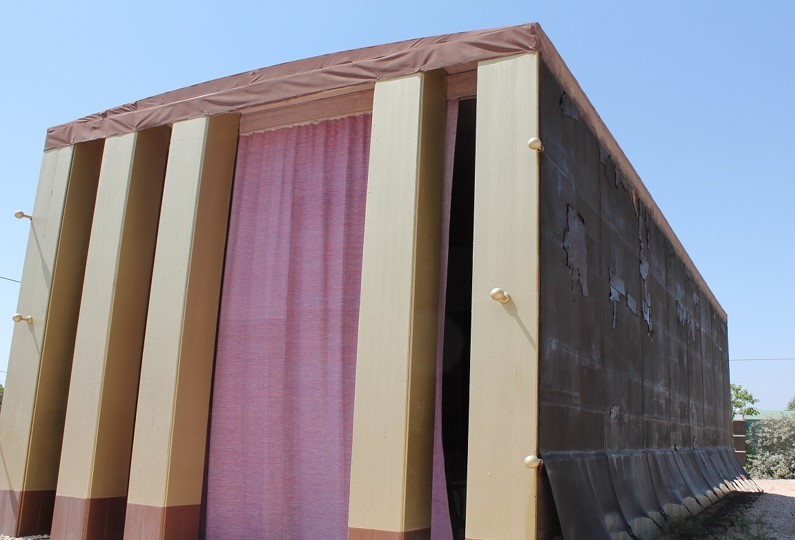
Shilo and Rosh Hashanah What is so special about Hannah’s prayer? Why did Chazal learn from Hannah the essence prayer? The structure of the Rosh Hashanah prayer? and why is Hannah’s story the Rosh Hashanah Haftara? We need to understand the worldview of all the people in the story – Elkanah, Pnina, Eli the priest. And how Hannah presents a different worldview: that prayer has the power to influence, even if a divine decree has already been made. That is why Chazal chose to place this concept at the center of Rosh Hashanah
-
Shilo – lecture 11
Shiloh and Tisha B’Av. Tisha B’Av was defined by Chazal as a day of weeping for generations. But surprisingly, Chazal describe Yosef and Benjamin as weeping for the destruction of the Temple along with the destruction of Shiloh. What does this mean? The answer is related to “שנאת חינם” (hatred for no reasobn), the reason for the destruction of both the Temple and the Tabernacle in Shilo. And the amendment is “אהבת חינם” (love for no reasobn) – which is also related to Shilo, in the events of the 15th of Av – Tu B`av.
-
Rosh Hashana
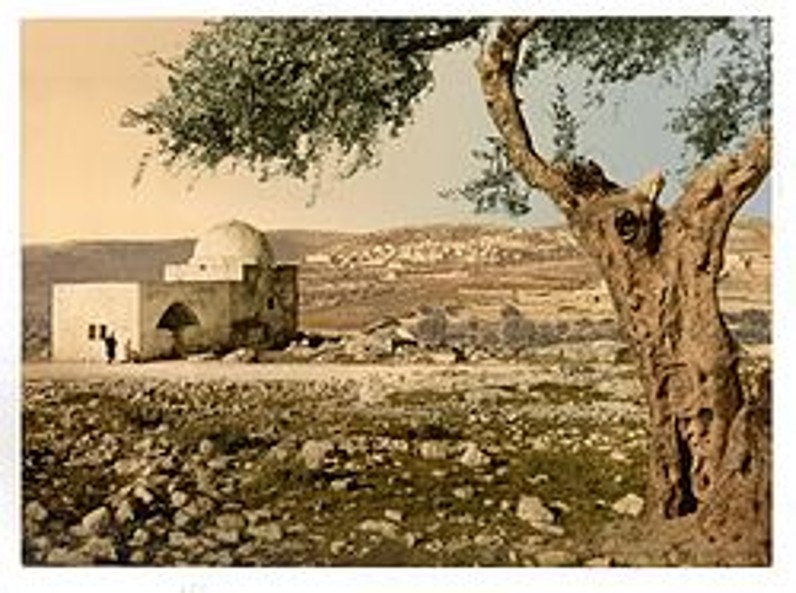
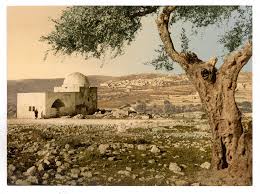
Rosh Hashana and “Kever Rachel”. “Kol Barama Nishma” – where is “Rama”? and what exactly happened there that is worth mentioning? How is “Rama” connected to Rachel? and what is the real reason for reading about this place and about Rachel on Rosh Hashana?
-
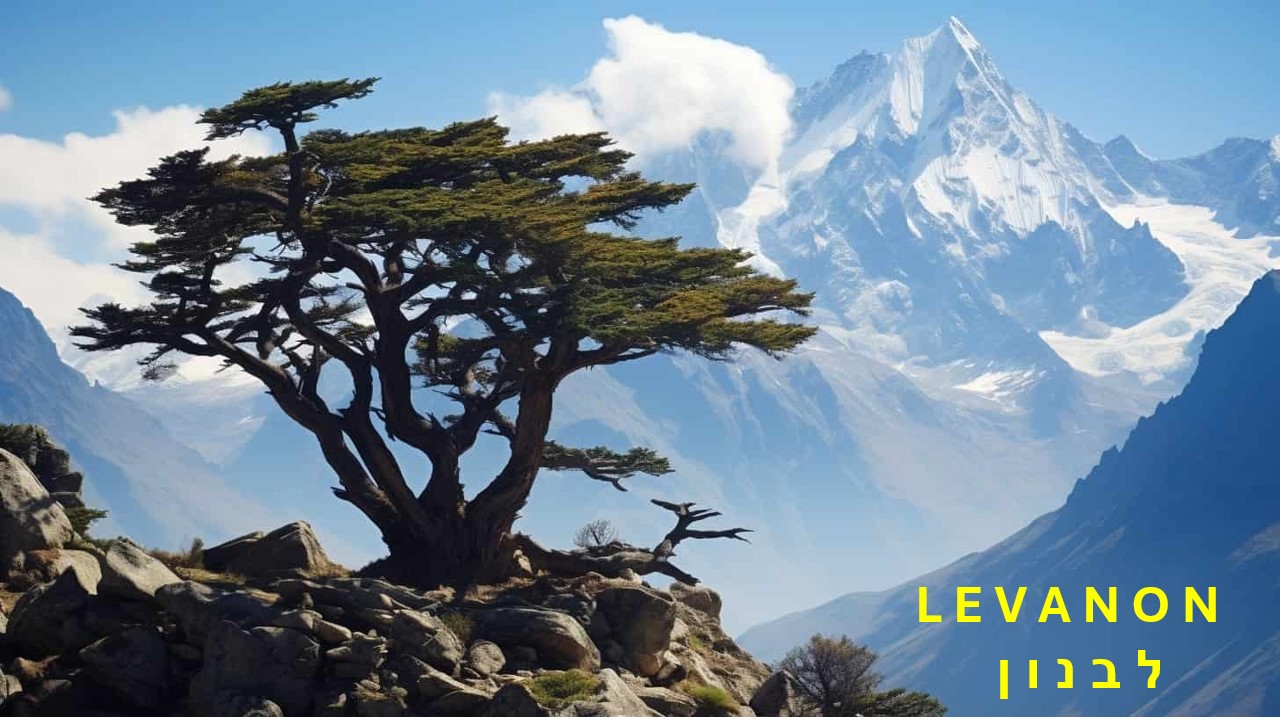
Levanon – Hoshana Rabah
Levanon and Sukkot! Special lecture given on Hoshana Rabah night, in Hebrew, about the destruction of south Lebanon, in the prophets. To previous lecture: Levanon 16
-
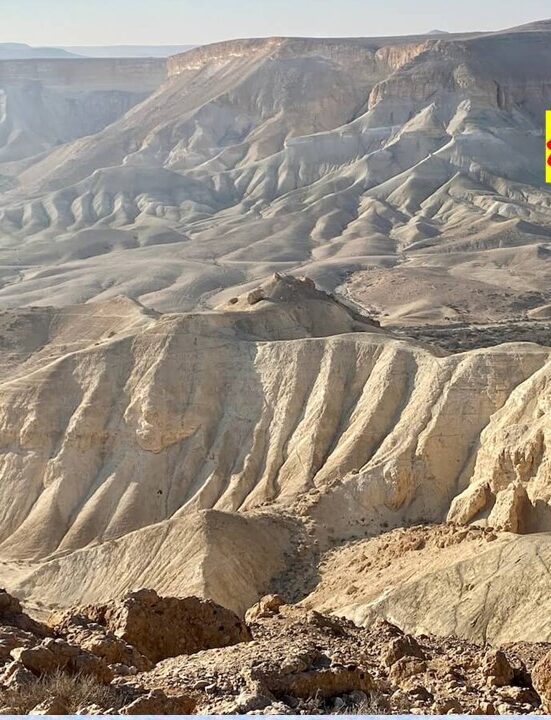
Negev – lecture 6
Negev and Yom Ha-Atzmaut! In honor of Yom Ha-Atzmaut, we will analyze the Psalm (שיר המעלות) – “When God restored Zion, we were like dreamers… God restored our captivity like the streams in the Negev.” What does the image mean? We will see a video that illustrates this! Is this a praise for an event that has already happened? Or a prayer for the future? We will compare the return to Zion in the days of the Second Temple, and the return to Zion in our days. In both cases we ask that it be like “Streams in the Negev”
-
Levanon – lecture 16
Levanon, the Fast of Gedaliah and Yom Kippur What happens when brothers don’t act like brothers? King Hiram “did not remember the brotherly covenant.” We will see similar examples – from Joseph till the murder of Gedaliah. We will understand why the Fast of Gedaliah truly complements Rosh Hashanah and how it connects to the story of the ten Sages who were killed by the Romans (עשרת הרוגי מלכות), which is recited on Yom Kippur. The overall message of these days is that destruction comes from hatred of brothers – both in the past and in the present.