
15 Lectures
-
Shilo – lecture 1
Is Shilo mentioned in the Torah? Was Shilo chosen by God? How many years was the Mishkan in Shilo? This lecture will include a quiz that presents initial questions and answers about the site.
-
Shilo – lecture 2
In this lecture, we will begin to discuss in depth the questions from the quiz in the previous lecture: Is Shiloh a place that God chose? And if so, why? It is apparently not a significant place during the patriarchal period. Did Jacob speak of Shiloh in his blessing to Judah? Is there a “Shekhinah” in Shiloh or only in the territory of Benjamin?
-
Shilo – lecture 7
Shilo as a Bridge We will begin to understand why Shilo is a bridge in many ways. Geographically – Shilo connects Nablus and Jerusalem. Chronologically – the period of Shilo, which corresponds to the period of the Judges, connects a period of separation, where “everyone will do what is right in his own eyes” to a period of a united kingdom in the days of King David. And this is just the beginning of the symbolic meaning of Shilo as a bridge. More to come…
-
Shilo – lecture 9
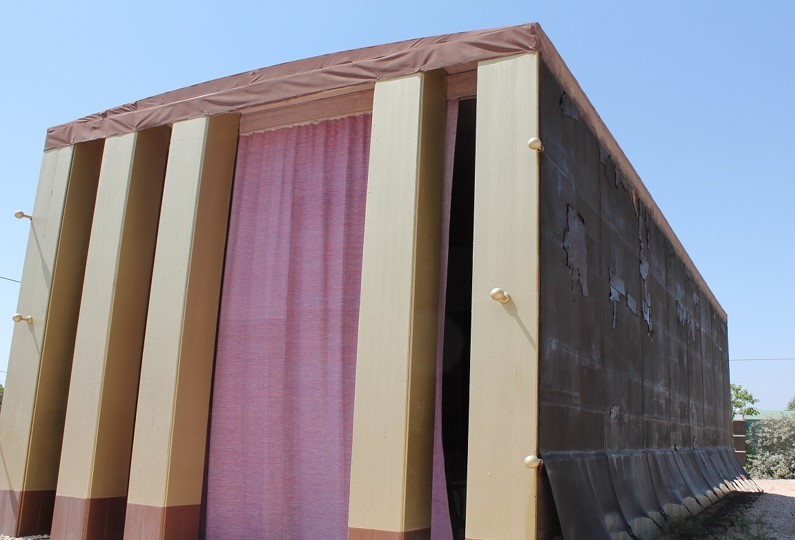
Shiloh is a bridge, also from a halakhic perspective. We will study the Mishnah and Gemara that describe the holiness of the Tabernacle of Shiloh, as well as the structure of the Tabernacle. Based on these sources and archaeological findings, we will find out where exactly the Tabernacle stood in relation to the city of Shiloh, and where do these findings stand today?
-
Shilo – lecture 11
Shiloh and Tisha B’Av. Tisha B’Av was defined by Chazal as a day of weeping for generations. But surprisingly, Chazal describe Yosef and Benjamin as weeping for the destruction of the Temple along with the destruction of Shiloh. What does this mean? The answer is related to “שנאת חינם” (hatred for no reasobn), the reason for the destruction of both the Temple and the Tabernacle in Shilo. And the amendment is “אהבת חינם” (love for no reasobn) – which is also related to Shilo, in the events of the 15th of Av – Tu B`av.
-
Shilo – lecture 12
Shilo and Rosh Hashanah What is so special about Hannah’s prayer? Why did Chazal learn from Hannah the essence prayer? The structure of the Rosh Hashanah prayer? and why is Hannah’s story the Rosh Hashanah Haftara? We need to understand the worldview of all the people in the story – Elkanah, Pnina, Eli the priest. And how Hannah presents a different worldview: that prayer has the power to influence, even if a divine decree has already been made. That is why Chazal chose to place this concept at the center of Rosh Hashanah
-
Shilo – lecture 13
Why does the Tanach give such a central place to Eli’s sons in the story of Shilo? We know that they were wicked and perhaps because of their sins Shilo was destroyed, but did Eli himself also have responsibility here? The prophet says harsh things to Eli and predicts punishment that will come upon him and his house. What is the serious problem that turns out to be Eli’s as well, that the Tanach is trying to teach us?